New ReHousIn policy brief provides recommendations to combat housing displacement
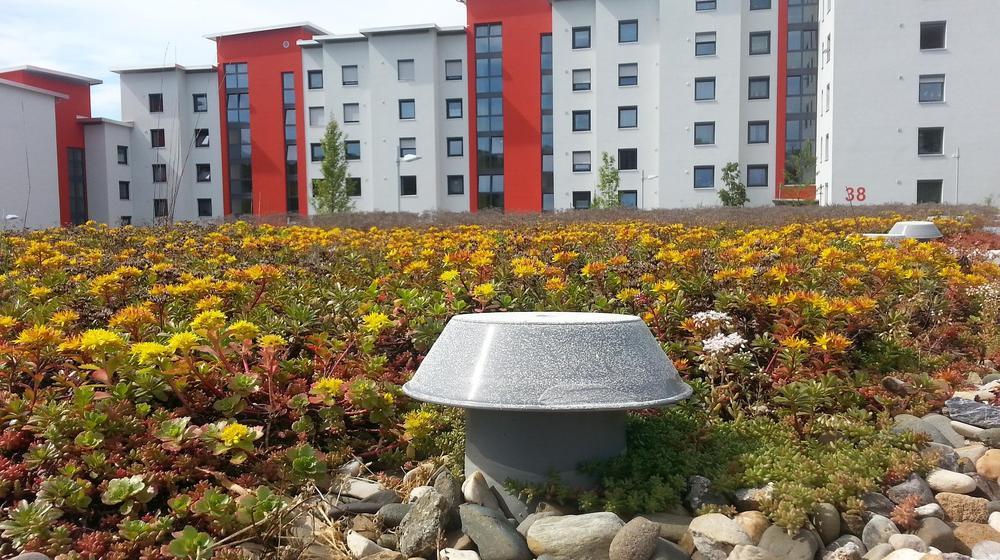
EU environmental policies such as those related to the EU Green Deal have significant impact on urban areas. They often drive important progress for sustainability and environmental goals. However, well-intended policies can often lead to what is described as a “green paradox.” To understand and address this paradox further, ReHousIn has released its first policy brief, “Green transition and housing inequalities”, a document which explains how environmental policy can unintentionally drive displacement in neighbourhoods.
Well-intentioned policies designed to mitigate climate change often accelerate displacement, green gentrification, housing unaffordability, and socio-spatial polarisation. This can paradoxically lead to the loss of green benefits for lower-income residents.
In the brief you will find a few illustrative examples showing how specific neighbourhoods were affected following green interventions along with recommendations for policy. An illustration of typical trajectories of gentrification following green interventions is also available, which can be applied to other contexts beyond the provided case studies.
One key takeaway from the brief is that a critical contradiction exists between EU level directives and social safety policies under national control. Therefore, to avoid the Green Paradox, environmental and housing equity objectives should receive equal priority. Furthermore, it's important to plan green interventions careful with and for communities.
To learn further recommendations, read the policy brief, “Green transition and housing inequalities”.
Publishing date: