Case study report - Ajka
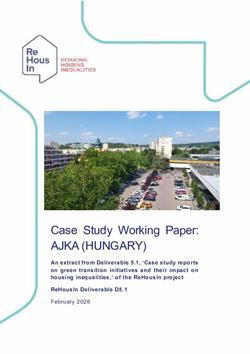
Ajka is a small industrial town (28,000 inhabitants) in Hungary, located half an hour north of Lake Balaton, two hours west from Budapest, in the valley that bisects the Bakony Mountains. The development of this large village began in the 19th century with the opening of a local coal mine. This resource, along with bauxite discovered later, led to the establishment of diverse industries before World War II, including a glass factory, an alumina plant, an aluminum smelter, and a coal-fired power plant.
Industrialization accelerated significantly after World War II. Correspondingly, the population, which had grown slowly until then, surged from 9,000 (1941) to 34,000 (1990). The transformation of the town was marked by the construction of a new, modernist town center and housing estates built with industrialized technology, while the single-family housing areas of the connecting villages were also modernized.
Publication date: