The ninth lecture in the ReHousIn Lecture Series explores the relationship between housing inequalities, climate change and energy retrofitting in the Barcelona Metropolitan Area.
The lecture on Barcelona examines how housing retrofit programmes can contribute to a more equitable green transition while addressing the needs of vulnerable communities.
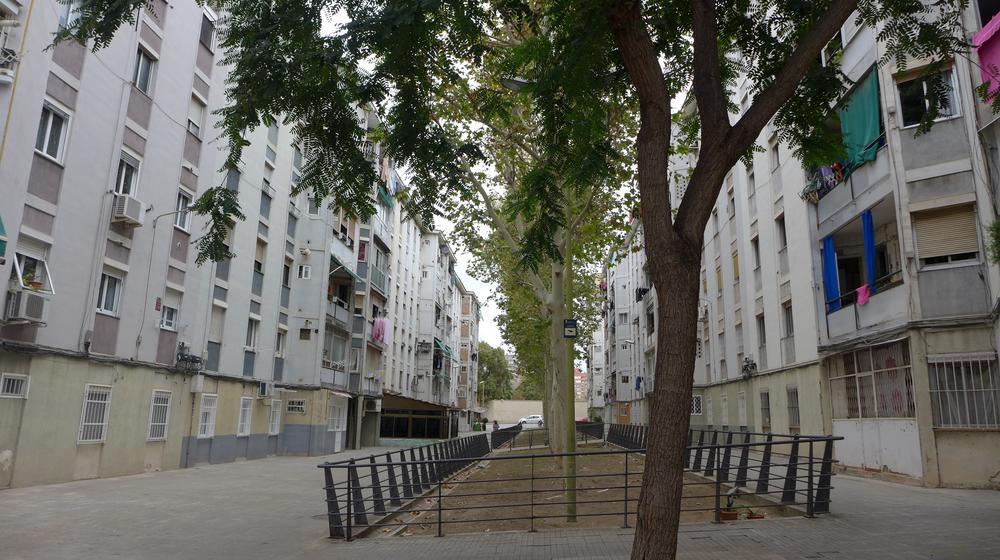
Delivered by Melissa García-Lamarca (Lund University), Adrià Ràtiva Carbonell and Izaskun Anguelovski (Autonomous University of Barcelona), the lecture focuses on the working-class neighbourhood of Sant Ildefons in Cornellà de Llobregat. Through this case study, the researchers analyse how national and regional retrofit programmes are implemented on the ground and how public institutions can help ensure that the benefits of energy renovations reach those most in need.
The lecture highlights the importance of long-term support, community engagement and tailored financial assistance in making retrofit programmes more accessible and equitable. In Sant Ildefons, local housing offices played a key role in building trust with residents, simplifying complex renovation processes and connecting energy improvements with everyday priorities such as affordability, accessibility and comfort.
While the case demonstrates the potential of equity-driven retrofits, the lecture also discusses ongoing challenges, including the risks of renovictions, rising housing costs and the long-term impacts of gentrification following neighbourhood improvements.
Watch the full lecture to learn how climate action and housing policy can be better aligned to support a just and inclusive green transition.
The full lecture recording is available on our YouTube channel and contributes to ReHousIn's broader comparative research on housing inequalities across nine European countries.
Publishing date: