The fifth lecture in the ReHousIn Lecture Series focuses on Hungary, exploring the European patterns on green gentrification and adequate mitigation policies, and also highlighting the ways the impacts of energy retrofitting are manifested in the specific, super homeownership housing environment in Hungary.
The lecture was delivered by researchers from the Metropolitan Research Institute in Budapest and examines the European examples of green policy impacts on housing inequalities, following by the overview how these are manifested in Hungary.
Hungarian homeownership and green policy
Hungary is a super-homeownership country where the national housing policy favours private ownership in purchase, construction and renovation, and gives preference for middle class households with children. Local authorities have limited financial capacities and hardly any public housing to influence the local housing market. Despite these unfavourable conditions, green policies did not lead to significant increase in housing inequalities, unlike green gentrification in many European cities. Along with the national context, several EU policies and directives such as Biodiversity efforts and No Net Land Take can shape outcomes for national laws in places such as Hungary.
At the heart of the issue, when green policies are implemented, do their benefits reach people equally? Social impacts of decarbonisation policies in cities vary considerably with some initiatives helping those in need while others exacerbating inequality and leaving communities behind.
Green interventions and their consequences
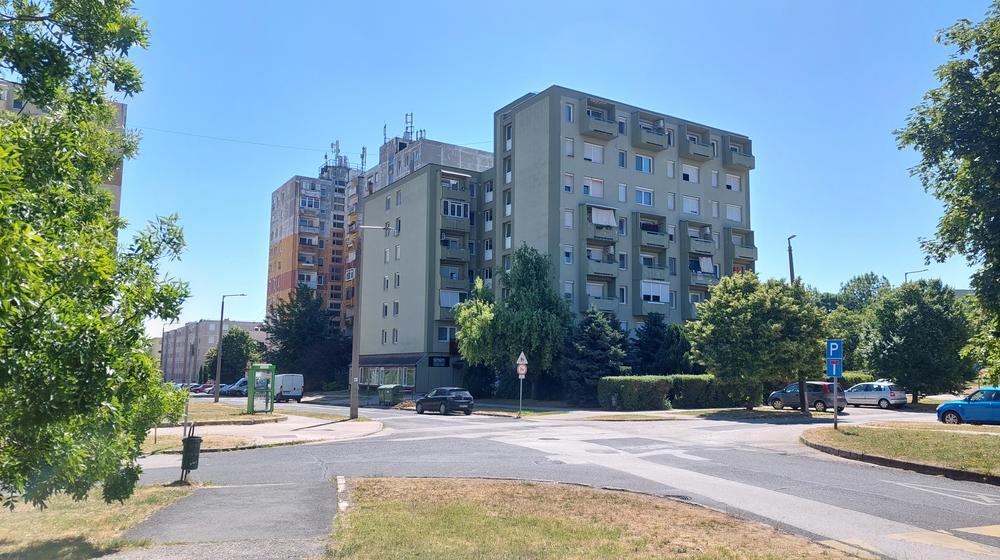
The lecture gives an overview of the results of the Hungarian ReHousIn case studies in Budapest (Magdolna quarter as a marginalised residential area and Kelenföld, a large prefabricated housing estate), Veszprém, a medium sized city with 55,000 population, and Ajka, a small city of 28,000 residents. Hungary is a super-homeownership country where the national housing policy favours private ownership in construction and renovation, and gives preference for middle class households with children. Local authorities have limited financial capacities and hardly any public housing to influence the local housing market. Despite these unfavourable conditions, green policies did not lead to significant increase in housing inequalities, unlike green gentrification in many other European cities.
The reasons for moderate increase of housing inequalities as a consequence of green policies, while surprising, lie in the way private multifamily buildings operate, the limited scale of green policies, and the municipal development approaches (despite their limited
financing), all acting as mitigating factors.
A few important conclusions are that the processes within the private rental sector remain hidden. Regarding green gentrification, the phenomenon is happening slowly overtime, but green was not always the primary cause, rather larger trends in the housing market and urban transformation play a factor.
The full lecture recording is available on our Youtube channel and offers in depth discussion in relation to the project’s broader comparative research across nine European countries.
Publishing date: