Housing inequality and gentrification in Europe - new comparative evidence from nine countries
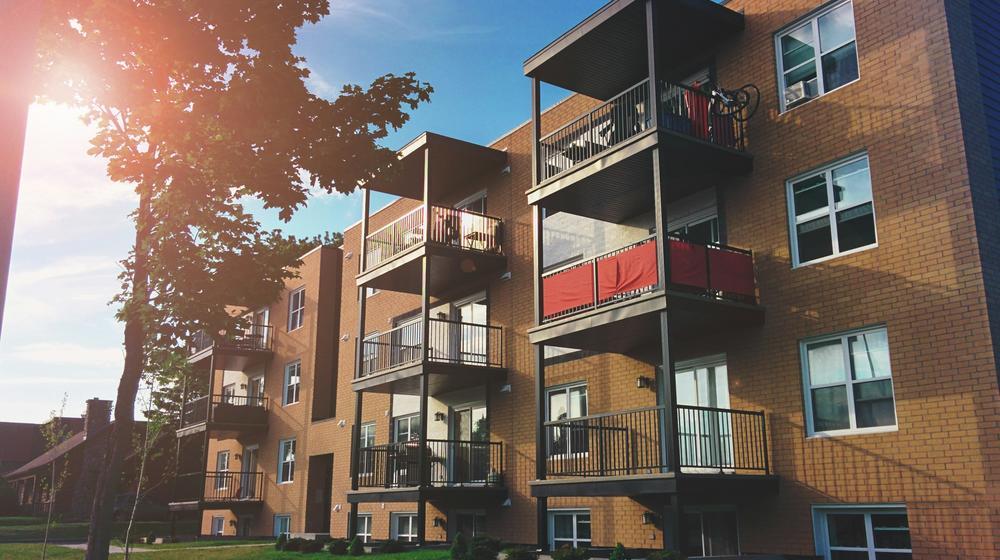
Between 2005 and 2020, housing affordability gaps widened across four European regions. Trends of this nature and their social consequences demonstrate that housing inequalities remain a central topic in social science and political debate, especially when it comes to the matter of green gentrification.
To better understand housing inequality, it’s helpful to look at it from three main areas: housing quality, housing affordability and housing segmentation. These are shaped by other considerations like economy, politics, green space and demographics that can be complex and not to mention differ widely based on location.
In this way, ReHousIn experts have utilised comparative methods to conduct research examining these different household characteristics and their influence on housing inequality in the 21st century in nine European countries. Their research is summarised in the latest report Comparative analysis of the housing situation.
In addition to examining the relationship between household characteristics and housing inequality, the report can show readers the connection between neighbourhood change and the development of green space for housing inequality. Though urban greening is positive for the environment, results showed that creation of green spaces can reinforce gentrification in certain contexts. One key takeaway from the report is that housing affordability inequality is rising in several major European cities, particularly in places like Budapest, where financial pressures grow on lower-income households in the urban markets.
All findings in the study are context dependent. For example, in areas that were already green, environmental investments didn’t necessarily trigger gentrification. By understanding these contexts, urban policy can better balance ecological enhancement with the displacement that could arise.
Want to learn more about comparisons in housing inequality and gentrification? Read the new report Comparative analysis of the housing situation.
Publishing date: