As part of the ReHousIn Lecture Series, the project hosted its second online lecture, focusing on housing inequalities in the context of green urban policies in Norway. The session explored how densification – a central pillar of climate-oriented urban planning – can have uneven social impacts if housing considerations are not fully integrated into sustainability strategies.
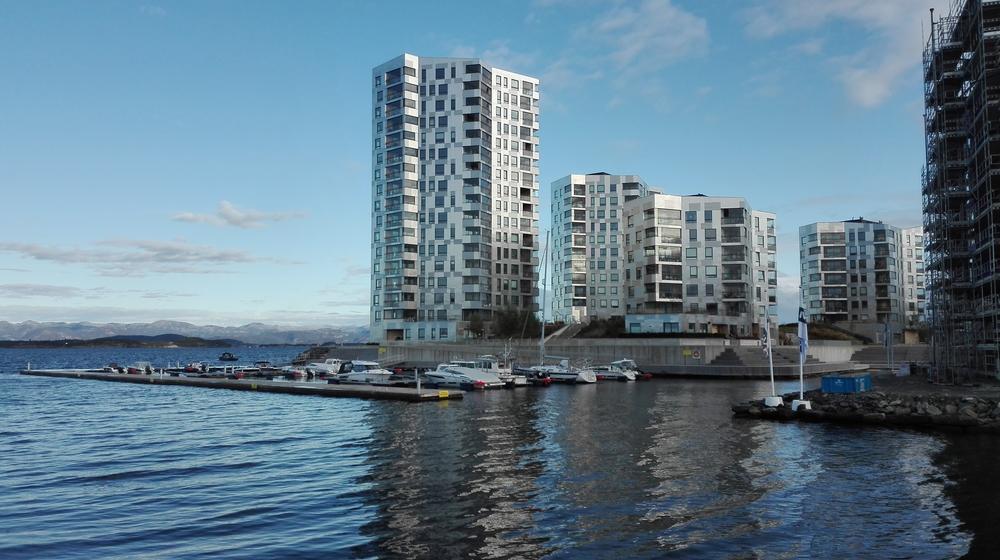
The lecture was delivered by researchers from Norway and examined two contrasting case studies: Oslo, Norway’s capital and fastest-growing city, and Stavanger, a medium-sized city with a different housing market dynamic. Together, these cases offered valuable insights into how similar policy tools can produce different outcomes depending on local contexts, governance structures, and housing systems.
Densification as a climate strategy – and its social risks
In Norway, densification has been promoted for decades as a way to limit urban sprawl, reduce car dependency, and support more sustainable mobility patterns. While these goals are widely shared, the lecture highlighted how densification can also place pressure on housing affordability, accessibility, and neighbourhood quality – especially in cities where housing markets are highly commodified and social housing provision is limited.
In Oslo, the case of Nydalen illustrated how rapid, market-led redevelopment combined with limited housing policy tools can result in very high housing prices and growing affordability challenges. Despite strong environmental ambitions and successful local mobilisation for more green space, the absence of mechanisms such as inclusionary zoning raises concerns about who ultimately benefits from green urban transformation.
In Stavanger, densification has been less intense and housing markets are generally under lower pressure. However, the lecture showed that conflicts still emerge, particularly in redevelopment areas where cultural and community spaces have been displaced ahead of new construction. While gentrification is not always immediately visible, the risk of longer-term social impacts remains, especially when redevelopment is driven primarily by private actors.
Why housing justice must be part of the green transition
Across both cases, the lecture reinforced a key message of the ReHousIn project: the green transition is necessary and positive, but its outcomes depend heavily on how policies are designed and implemented. When housing affordability, tenure diversity, and social protections are not adequately addressed, green urban policies can unintentionally deepen existing inequalities.
The Norwegian cases demonstrate that environmental goals alone are not enough. Stronger coordination between climate, planning, and housing policies – alongside meaningful local engagement – is essential to ensure that greener cities are also fairer and more inclusive.
The full lecture recording is available on the ReHousIn YouTube channel and offers an in-depth discussion of these dynamics, contributing to the project’s broader comparative research across nine European countries.
Publishing date: